
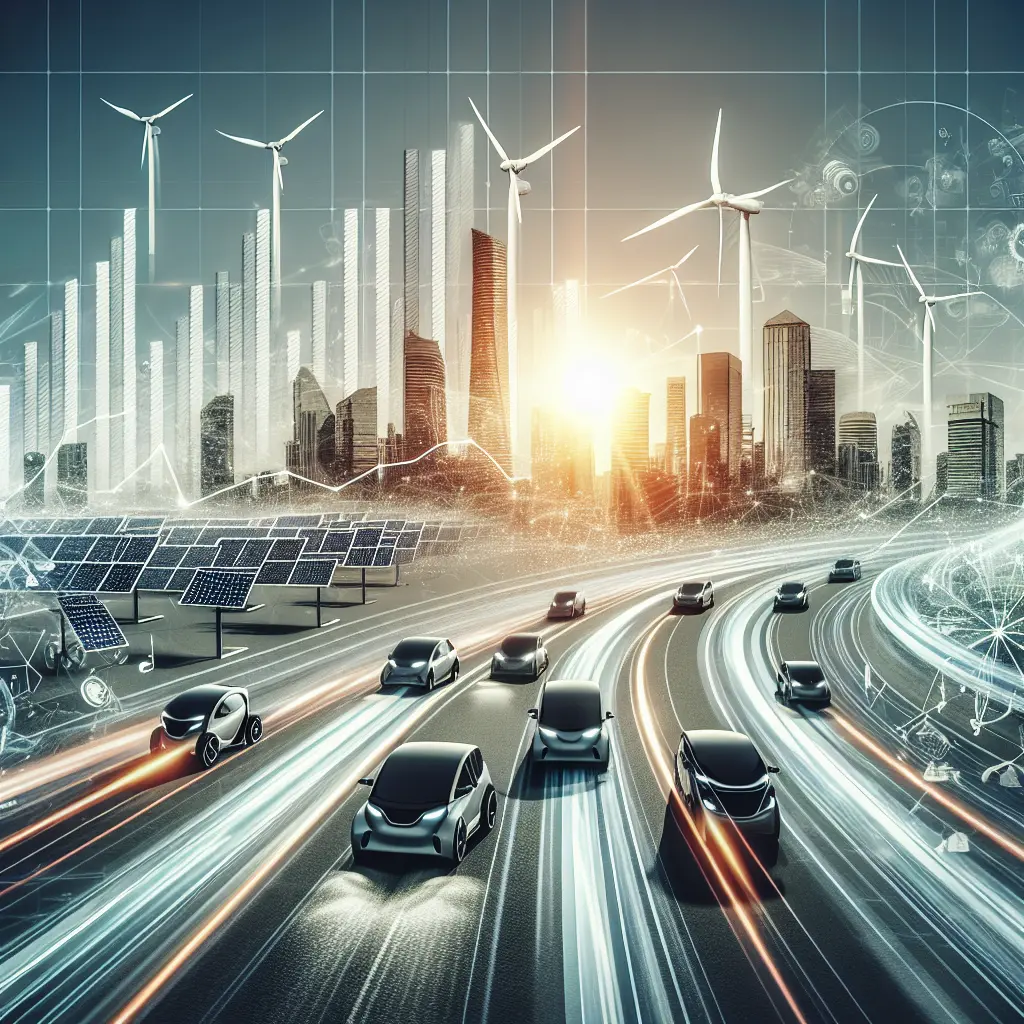

The electric vehicle market is surging forward as more models hit the streets, shattering sales records and paving the way for a sustainable future.
As the conversation about a potential slowdown in the electric vehicle (EV) market circulates, recent data paints a promising picture of growth and adoption. In the second quarter of this year, 18 different EV models achieved over 5,000 sales in the United States, demonstrating that interest in electric cars is not waning but rather accelerating. At the forefront of this charge are automotive giants like Tesla, Ford, and Hyundai, each showcasing their commitment to revolutionizing transportation.
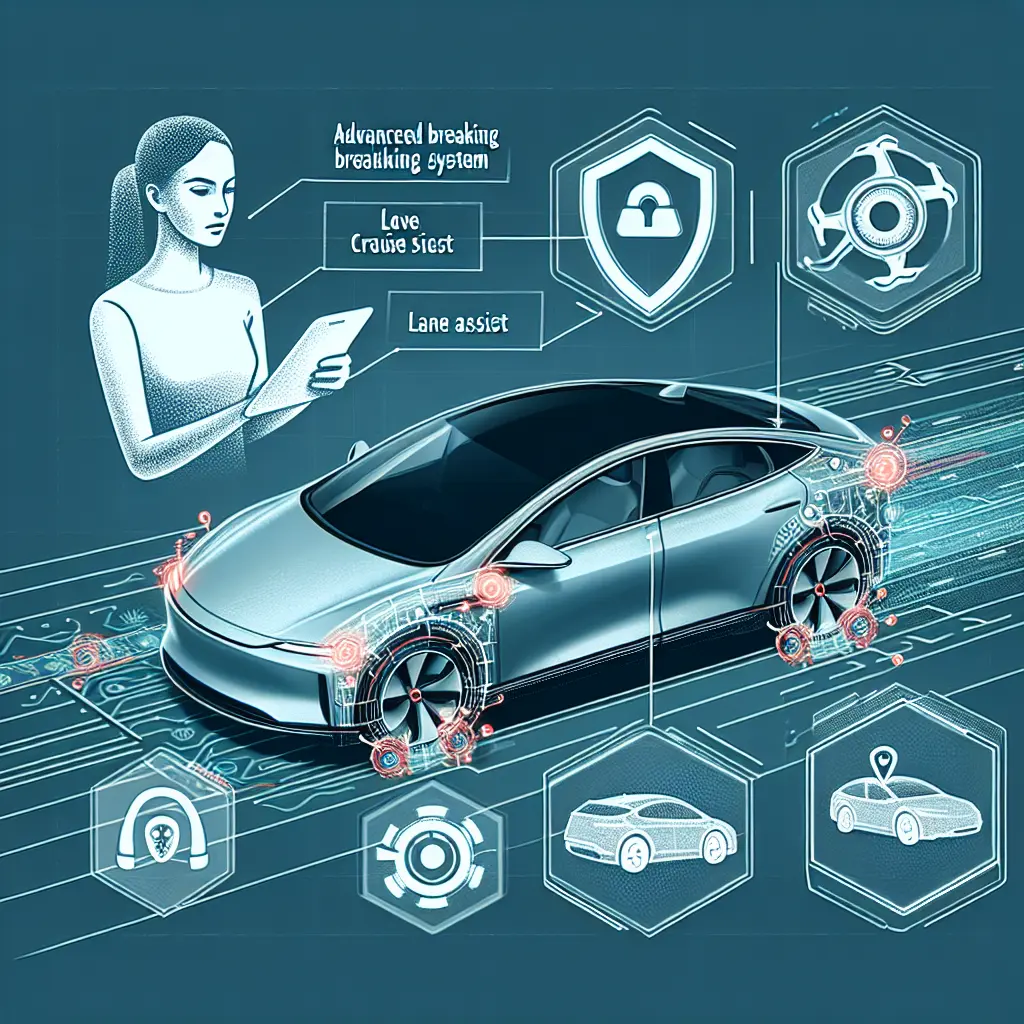
Tesla continues to dominate the EV landscape with its innovative technology and market leadership. Known for their cutting-edge designs and autonomous driving features, Tesla models have consistently set the standard for what electric cars can achieve.
Ford and Hyundai have also made significant strides in the EV market. Ford has electrified its classic models, bringing forth vehicles that combine traditional reliability with modern efficiency. Hyundai, on the other hand, has expanded its lineup to cater to a broader audience, ensuring that their EVs are accessible and appealing.
Notably, several newcomers have joined the ranks of the top-selling EVs, indicating a growing acceptance and demand for electric vehicles across various segments. The introduction of models such as Toyota's bZ4X, Kia's EV9, and the Chevy Blazer EV has diversified consumer choices, catering to different preferences and needs. These entries signify that established automakers are keen on investing in electrification to stay competitive in an evolving market.
The Future of Electric Vehicles
This surge in sales is more than just a statistic; it reflects a shift in consumer mindset towards environmentally friendly alternatives. The EV market's upward trajectory suggests that public acceptance is growing alongside advancements in technology and infrastructure.
Key factors contributing to this trend include:
Improved Battery Technology: As battery costs decrease and efficiency improves, EVs become more affordable and practical for everyday use.
Government Incentives: Policies supporting EV adoption play a crucial role in encouraging consumers to make the switch.
Conclusion
Infrastructure Development: The expansion of charging networks provides more convenience for EV owners, reducing range anxiety.
The electric vehicle market is at a pivotal point where innovation meets consumer demand. As more automakers enter this space with competitive offerings, we can expect even greater advancements in technology and sustainability.
For those interested in learning more about this remarkable milestone in the EV industry, visit Electrek.
In closing, as we witness these developments unfold, it's clear that the road ahead is bright—and electric. Let's embrace this change for a cleaner, greener tomorrow.



Leave a Comment